10:00 – Dr. Joost Smolders
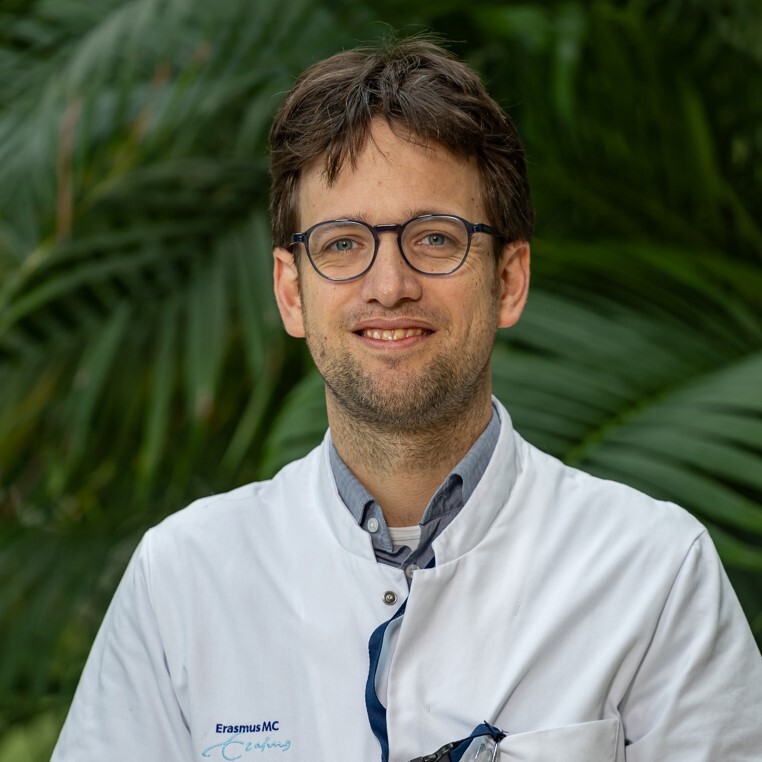
Contribution of the adaptive immune system to multiple sclerosis
To understand the biology of complex diseases such as multiple sclerosis (MS), studying patients and their biological materials is indispensable. The potential of innovative translational life-science research to uncover improved diagnostic and therapeutic modalities is substantial.
In this talk, you will be guided through a research line we initiated to better understand the contribution of B and T cells to the MS disease process across the lifespan. Central to this project is the collection of biomaterials from post-mortem brain donors of the Netherlands Brain Bank (NBB) donor program and from living people with MS attending our hospital’s outpatient clinic. These tissues are analyzed using a range of techniques, including spectral flow cytometry, immunohistochemistry, (single-cell) transcriptomics, and spatial transcriptomics. Using these approaches, we identified programs that T cells employ in the healthy state to enter the central nervous system (CNS), whereas B cells are scarcely present in the healthy CNS. We demonstrated that the choroid plexus and leptomeninges function as interfaces between the blood and CNS. In MS, we observe increased numbers of T cells with an altered phenotype, as well as recruitment of memory B cells into the CNS via similar pathways. Accordingly, B-cell recruitment correlates with choroid plexus volumetric measures on MRI. We show that B and T cells interact within CNS niches, leading to the generation of antibody-secreting cell (ASC) populations. These populations are associated with persistent activity in demyelinated MS white matter lesions and with intrathecal antibody synthesis. We characterized specific precursors of CNS B cells in the circulation of people with MS and demonstrate their potential to inform treatment decisions.
These findings have contributed to a refined understanding of the roles of B and T cells in compartmentalized inflammation in MS. Collaboration among laboratory researchers, clinician-scientists, and patient communities is the key driver of this project.

11:45 – Prof. Dr. Marcel Verbeek
Body Fluid Biomarker for Parkinson’s Disease
Parkinson’s disease (PD) is the fastest-growing neurological disease characterized clinically by motor dysfunction, cognitive decline and autonomic dysfunction, currently affecting over 7 million patients worldwide. Development of preventative therapies is limited because we insufficiently understand the underlying biology and pathobiology. Furthermore, no reliable biomarker exists that predicts the prognosis and outcome of PD. One reason is the large heterogeneity in underlying etiology, pathophysiology and clinical presentation that is typical of PD, with unique profiles for each patient. An accurate and early as possible diagnosis is crucial for the development of novel disease-modifying therapies of PD. For, this goal we study molecular biomarkers in body fluids, mainly cerebrospinal fluid, for early identification of PD. I will discuss the most important emerging molecular biomarkers for PD.
Despite advances in diagnostic procedures, differentiating between PD and several atypical Parkinsonisms (AP) remains a major challenge, especially early in the disease course. MSA is the largest subgroup among the various forms of AP, a group that initially present as PD, but typically follows a more malignant disease course than PD. Moreover, unlike PD, people with AP do not respond well to dopaminergic therapy. Since the clinical diagnostic accuracy is often very low at the time of the initial diagnosis (when the diagnosis cannot yet be established based on the clinical presentation alone), molecular biomarkers that discriminate between PD and AP are dearly needed. I will also discuss developments in this area of research.
Finally, many persons with PD (estimated at 25-55%) develop small intestinal bacterial overgrowth (SIBO) which negatively affects their quality of life by causing abdominal pains, constipation, bloating, nausea, diarrhea and excessive flatulation. Moreover, SIBO has also been associated with the occurrence of response fluctuations and longer ‘off—time’ during use of oral levodopa medication, likely because of changes in gut microbial composition which interferes with levodopa metabolism. I will also discuss our research on the role of the gut microbiome in determining the response to levodopa, which currently remains the therapeutic cornerstone for people with PD.
14:15 – Prof. Dr. Sjors Scheres
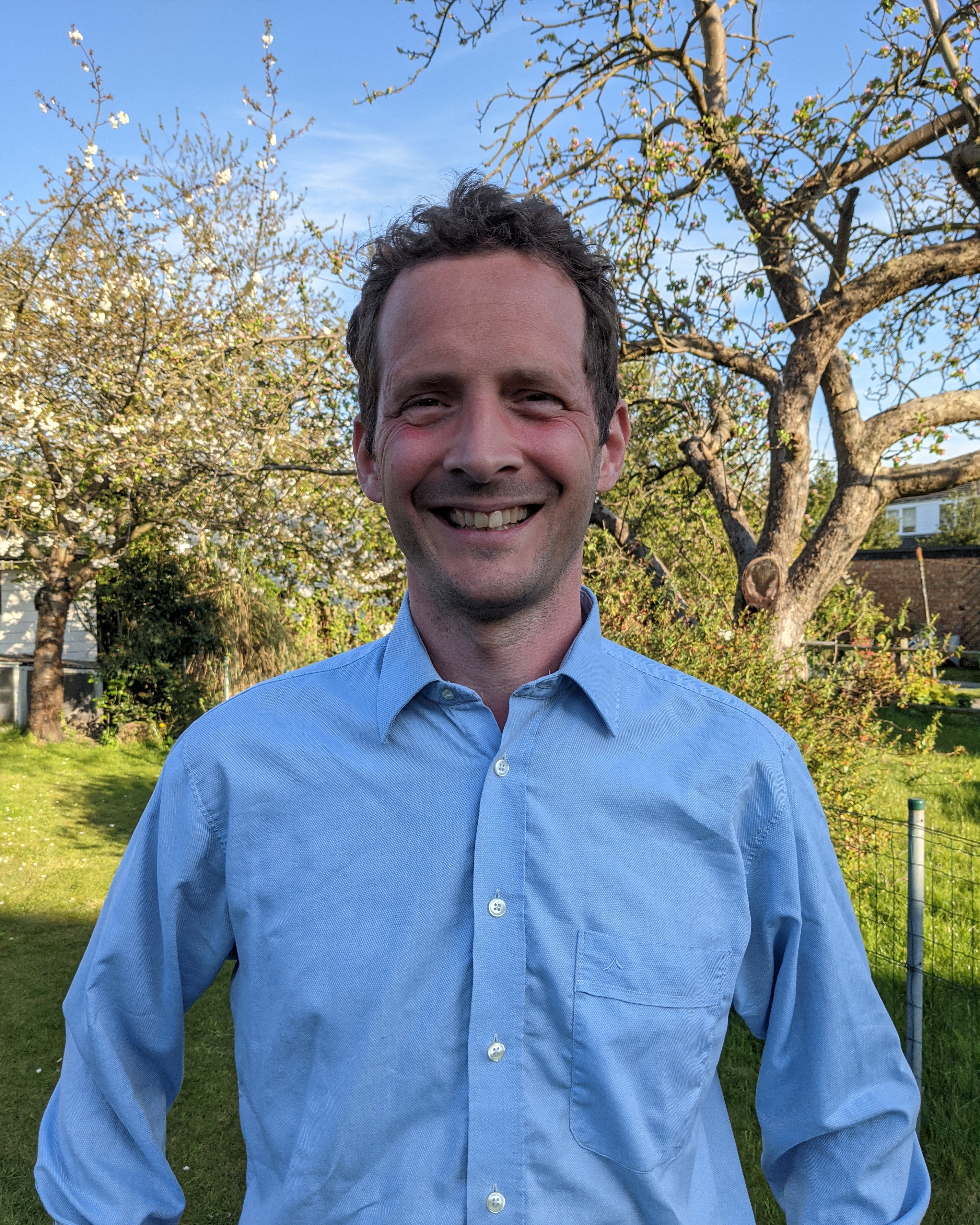
Molecular pathology of neurodegenerative diseases by cryo-EM of amyloid filaments
Abnormal assembly of tau, α-synuclein, TDP-43 and amyloid-β proteins into amyloid filaments defines most human neurodegenerative diseases. Genetics provides a direct link between filament formation and the causes of disease. Developments in cryo-electron microscopy (cryo-EM) have made it possible to determine the atomic structures of amyloids from postmortem human brains. In my lecture, I will introduce the cryo-EM technique to calculate atomic structures, I will review the structures of brain-derived amyloid filaments that have been determined so far and I will discuss their impact on research into neurodegeneration. Whereas a given protein can adopt many different filament structures, specific amyloid folds define distinct diseases. Amyloid structures thus provide a description of neuropathology at the atomic level and a basis for studying disease. Future research should focus on model systems that replicate the structures observed in disease to better understand the molecular mechanisms of disease and develop improved diagnostics and therapies.

15:00 – Nienke Mekkes, MSc
Brain disorder heterogeneity in the age of AI
Brain disorders are incredibly common, affecting people across all ages. From university students to the global population, a substantial proportion of individuals experience either mental or neurological disorders, including conditions such as Alzheimer’s disease and multiple sclerosis. But how do these disorders differ, and where do they overlap? We know that brain disorders are highly heterogeneous: symptoms, disease progression, and underlying neuropathology can vary widely both between and within disorders. But what exactly are these differences? And how does that connect to underlying genetic susceptibility? These are the types of questions that our group is interested in, with the endgoal of improving diagnosis, prognosis and fundamental research.
In collaboration with the Netherlands Brain Bank, we are building the Netherlands Neurogenomics Database (NND), an expanding resource that integrates data from brain donors, including clinical records, genotype data, neuropathological assessments, and multi-omics profiles. By combining these data types, we aim to better understand variability in brain disorders while creating an open-access resource for researchers worldwide.
In this talk, I will show how we construct such an interdisciplinary database and discuss several applications of the NND, including identifying potential misdiagnoses in dementia, stratifying individuals with multiple sclerosis, and exploring the interplay between genetic susceptibility and disease manifestation. Finally, I will reflect on how artificial intelligence has evolved alongside my PhD, from early language models to more complex tools such as image analysis, and how we as young researchers are learning to adapt to and work with these rapidly changing technologies.”